
Ghibli's History
Founded in 1985 by Hayao Miyazaki and Isao Takahata, together with producer Toshio Suzuki, Studio Ghibli quickly became one of the most influential animation studios in the world. Its films blend visual beauty, emotion and social reflection in a way that continues to inspire audiences of all ages.
Below, you'll find a timeline tracing the studio's journey, from the years before it existed, when its founders were young animators learning the trade, to the worldwide acclaim that came later.
-
Two paths
1935 to 1970
-
October 1935
Isao Takahata is born
Isao Takahata is born on October 29 in Ujiyamada, in Mie Prefecture, and spends his childhood in Okayama. Of the two future founders he is the elder by five years, and the one who will reach animation by the longest road: through books, French poetry and cinema.

-
January 1941
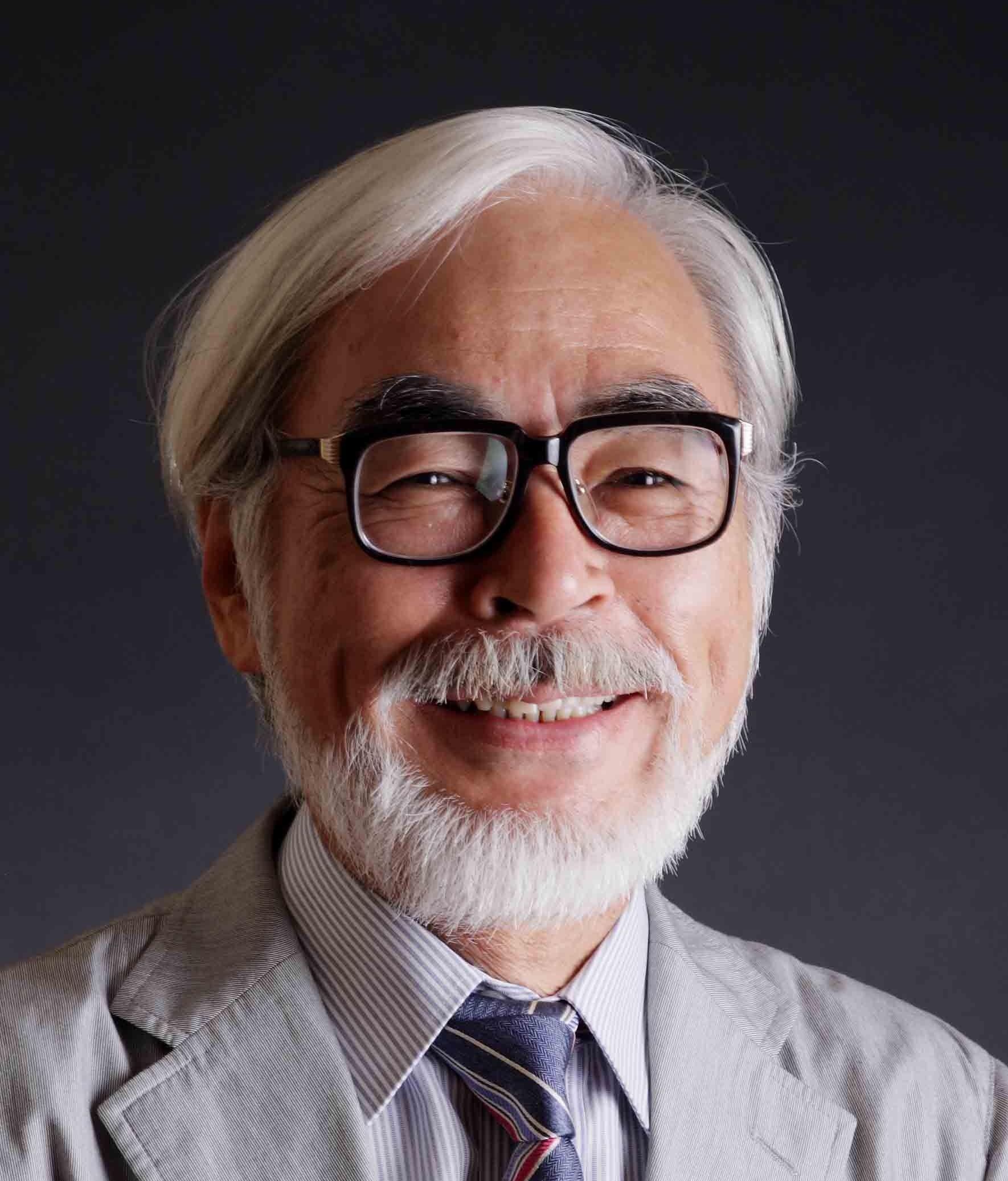
Hayao Miyazaki is born
Miyazaki is born on January 5 in Tokyo. His family runs Miyazaki Airplane, a company that makes parts for fighter planes during the war, and the boy grows up surrounded by drawings of aircraft. That fascination with flight, and the discomfort of knowing what those planes were built for, will run through almost everything he makes.
-
June 1945
The night Okayama burned
On June 29, American bombers set Okayama on fire. Nine-year-old Takahata runs through the streets in his pajamas with one of his sisters, separated from the rest of the family. More than forty years later, that night will reach the screen in Grave of the Fireflies.
-
1947
A mother in bed
Miyazaki's mother is diagnosed with spinal tuberculosis and spends years between hospitals and a bed at home. She was sharp, skeptical and strong-willed, and her son would later say she shaped the way he saw the world. Her illness is the quiet heart of My Neighbor Totoro.
-
1958
Falling for The Tale of the White Serpent
Toei Doga releases Hakujaden, Japan's first color animated feature. Miyazaki, a high school student cramming for university exams, watches it and falls in love, as he later admitted, with its heroine. He leaves the theater convinced that animation can carry real feeling, and a little ashamed of the imitation manga he had been drawing.
-
1959
Takahata joins Toei Doga
Fresh out of the University of Tokyo, where he studied French literature, Takahata joins Toei Doga as an assistant director. What drew him there was a French film, Paul Grimault's The Shepherdess and the Chimney Sweep, which showed him that animation could be poetic and political at once. He came back to that film all his life, and decades later helped bring its finished version, The King and the Mockingbird, to Japanese theaters.
-
1963
Miyazaki joins Toei Doga
After graduating in political science and economics from Gakushuin University, Miyazaki joins Toei Doga as an in-between animator. His first job is Watchdog Bow Wow. The pay is low and the hours are long, but he soon stands out for the ideas he keeps slipping into other people's scenes.
-
1964
Side by side at the union
Miyazaki becomes chief secretary of the Toei workers' union, with Takahata as vice chairman. They had crossed paths before, but it is here, in long meetings and longer walks home, that they start talking about films, politics and what animation could still become. It is the beginning of a partnership that will last more than fifty years, often argumentative, never dull.
-
Toei DogaKey figure
The mentor: Yasuo Otsuka
One of Toei's first animators, Otsuka is the person who teaches both of them how movement really works and, just as important, how to have fun doing it. A lover of machines, jeeps and anything with an engine, he will be animation director on Takahata's first feature and, years later, on Miyazaki's. Neither of them ever stopped calling him a teacher.
-
July 1968Film
Horus, Prince of the Sun
Takahata directs his first feature, with Miyazaki among the key animators and scene designers and Otsuka as animation director. Production drags on for three years, over schedule and over budget, and the film leaves theaters after ten days. Takahata is demoted. Today it is remembered as the moment Japanese animation started taking itself seriously.
-
1969
A cat called Pero
Miyazaki animates some of the best-remembered sequences of Toei's The Wonderful World of Puss 'n Boots, including a chase across castle rooftops that already looks like him. The film's cat, Pero, becomes Toei's mascot. The same year, under a pen name, he publishes People of the Desert, his first manga and an early sign of the storyteller he wanted to be.
-
On the road together
1971 to 1981
-
1971
Leaving Toei, and a Pippi that never was
Takahata, Miyazaki and animator Yoichi Kotabe leave Toei for A Production to adapt Pippi Longstocking. Miyazaki travels to Sweden to study the locations, but Astrid Lindgren refuses to grant the rights and the project dies. To keep working, the two take over the direction of the first Lupin III series halfway through, without credit.
-
1972 and 1973
Panda! Go, Panda!
Takahata directs and Miyazaki writes and designs two short films about a little girl who lives alone and ends up adopting a baby panda and his father. The ideas left over from Pippi find a home here, and so does a big, round, gentle creature that will one day become Totoro.
-
1974
Heidi, Girl of the Alps
Now at Zuiyo Eizo, the team makes Heidi, with Takahata directing and Miyazaki handling scene design and layout for all 52 episodes. They travel to Switzerland to study the light, the houses and the way people eat. That obsession with everyday life, the cooking, the chores, the weather outside, becomes a trademark of everything they do afterwards.
-
1976
3000 Leagues in Search of Mother
Takahata directs a long, melancholy series about an Italian boy who crosses the ocean to Argentina looking for his mother, with Miyazaki again on layout. It is patient storytelling with no easy thrills, and it proves that children will follow a sad story as long as it is told honestly.
-
1978
Future Boy Conan: Miyazaki directs
At Nippon Animation, Miyazaki directs for the first time: a 26 episode series set after a world war, with a boy strong enough to hold his breath for ages, a girl who talks to birds and a giant flying fortress. Takahata helps with storyboards and directs a few episodes. Many ideas later seen in Castle in the Sky and Nausicaä are already here.
-
Around 1979Key figure
An editor named Toshio Suzuki
Suzuki, a journalist at the publisher Tokuma Shoten, is on the team behind Animage, one of Japan's first magazines about animation. He calls Takahata for an interview and gets a long explanation of why Takahata will not give one. Then he goes to Miyazaki, busy on his first feature, who ignores him. Suzuki simply sits at the next desk for days until Miyazaki starts talking. They will work together for the rest of their lives.

-
December 1979Film
The Castle of Cagliostro
Miyazaki leaves Takahata's Anne of Green Gables after the first episodes to make his first feature, a Lupin III adventure with Otsuka as animation director. Made in a few months, it does modest business in theaters. Years later, animators all over the world will study its car chase frame by frame.
-
1981 and 1982
Chie the Brat and Gauche the Cellist
Takahata spends the early eighties on his own projects: Chie the Brat, an Osaka comedy about a girl who runs her father's grilled offal shop, and Gauche the Cellist, a small film based on a story by Kenji Miyazawa, made over several years by a tiny studio. Both show his taste for real places, real work and music taken seriously.
-
Nausicaä and a studio of their own
1982 to 1985
-
1982
Nausicaä begins, on paper
No one wants to fund an original film that isn't based on an existing work, so Suzuki suggests a way around it: make the manga first. Nausicaä of the Valley of the Wind starts running in Animage. Miyazaki keeps drawing it, with long pauses whenever a film takes over his life, until 1994.
-
Tokuma ShotenKey figure
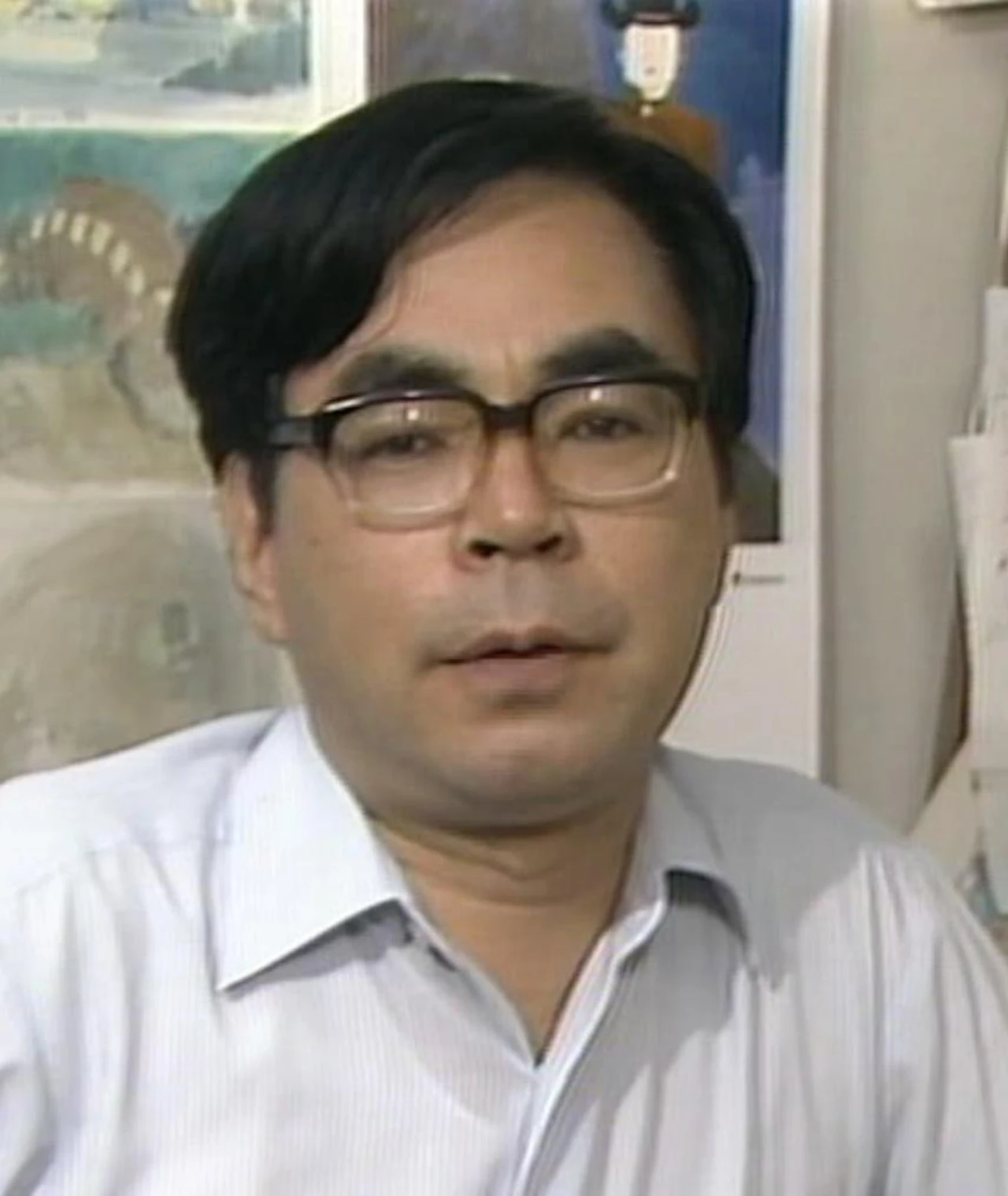
The backer: Yasuyoshi Tokuma
The founder of Tokuma Shoten was a businessman with a gambler's instinct. He trusted Suzuki's judgment, and Suzuki trusted Miyazaki and Takahata. His money made the Nausicaä film possible and, a year later, a studio. He stayed behind Ghibli as executive producer until his death in 2000.
-
March 1984Film
Nausicaä of the Valley of the Wind
The film opens on March 11, produced by Tokuma Shoten and the advertising agency Hakuhodo, animated at the small studio Topcraft, with Takahata as producer. It is also the first time Miyazaki works with composer Joe Hisaishi, who will score all of his films from then on. Around 900,000 people see it in theaters, enough to prove that an original story, with a girl at its center and nature as a character, could fill seats.
-
June 1985
Studio Ghibli is founded
On June 15, with the profits from Nausicaä and the backing of Tokuma Shoten, Miyazaki, Takahata and Suzuki open Studio Ghibli on a rented floor in Kichijoji, Tokyo, taking in part of Topcraft's staff after it closes. The name comes from a hot wind that blows across the Sahara and from an Italian airplane Miyazaki loved. The plan was to blow a new wind through Japanese animation.

-
The studio years
1986 to 1998
-
August 1986Film
Castle in the Sky
The first film made under the Ghibli name. Miyazaki had visited Wales during the miners' strike and was moved by how those communities fought for their work, and the mining town where Pazu lives comes from there. The box office is respectable rather than spectacular, but the studio now has a direction.
-
1987
A detour through the canals of Yanagawa
Takahata finishes The Story of Yanagawa's Canals, a documentary of almost three hours about a town that decided to save its old waterways, paid for with money Miyazaki had made from Nausicaä. It runs far over schedule and budget, and it is pure Takahata: curious, meticulous and in no hurry at all.
-
April 1988Film
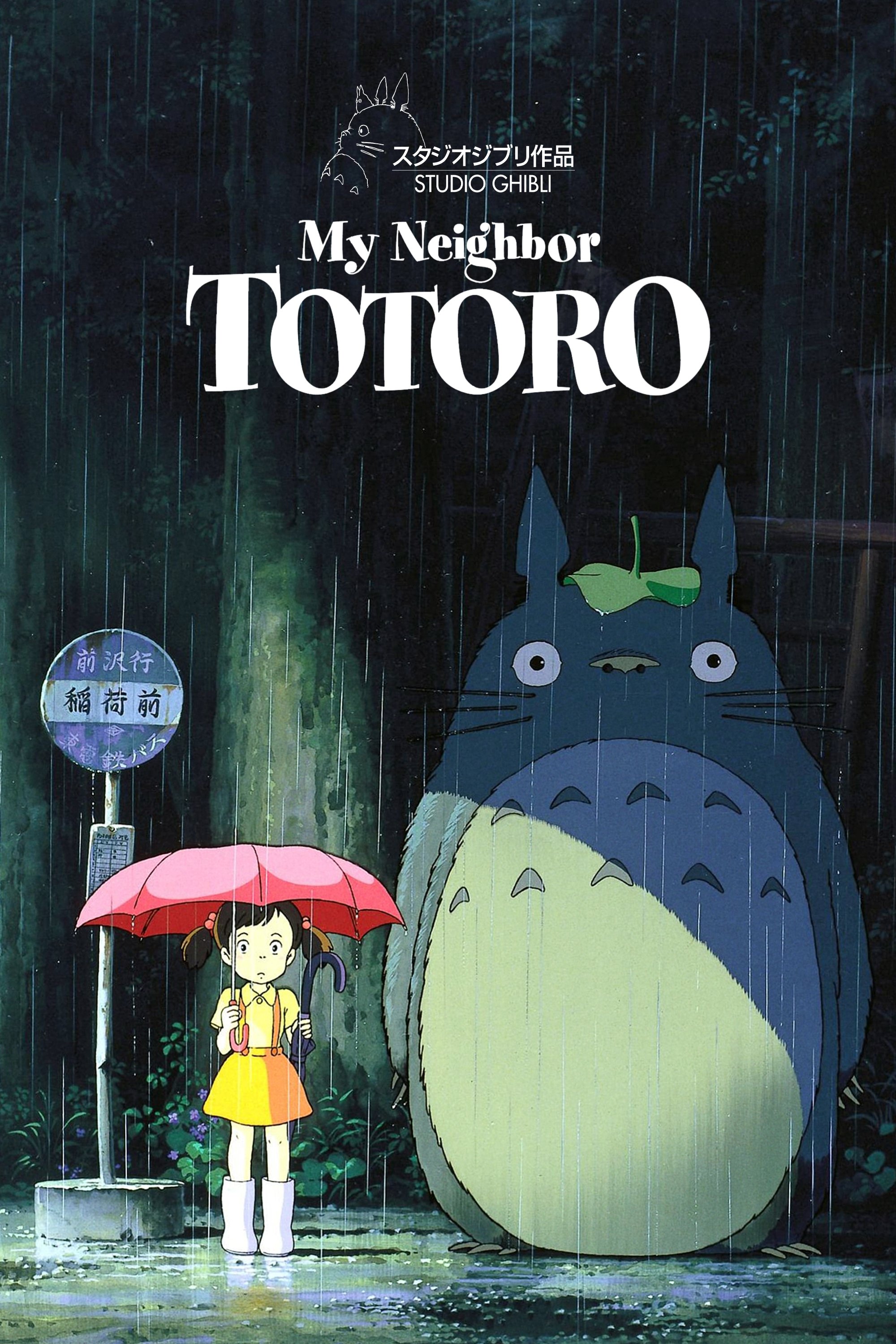
Totoro and the fireflies, on the same ticket
To get both films made, Suzuki sells them as a double feature. Audiences go from two orphans starving at the end of the war to a forest spirit waiting at a bus stop in the rain, or the other way around. Neither is a hit in theaters. Totoro finds its audience later, on television and in plush toys, and ends up becoming the studio's logo.
-
July 1989Film
Kiki's Delivery Service
The story of a thirteen-year-old witch learning to live on her own becomes the highest grossing Japanese film of the year. With that money, Ghibli makes a choice that is rare in the industry: it hires its animators as salaried staff, raises their pay and starts training new people. From then on, the studio has to keep making films to support them.
-
July 1991Film
Only Yesterday
Takahata tells the story of a 27-year-old office worker who spends her vacation harvesting safflower in the countryside while remembering being ten. A film for adults, about work, memory and choosing a life, it becomes the biggest Japanese hit of the year. Takahata wanted the adult faces to have cheekbones and smile lines, something anime almost never drew, and the animators sweated over every one.
-
July 1992Film
Porco Rosso, and a home of their own
What began as a short film for Japan Airlines flights grows into a feature about a World War I pilot turned into a pig, flying seaplanes over the Adriatic. The same year, Ghibli moves into its own building in Koganei, designed by Miyazaki himself, with plenty of light and a garden on the roof.
-
May 1993Film
Ocean Waves
Ghibli gives its younger staff a chance with a TV film directed by Tomomi Mochizuki, meant to be quick, cheap and good. It runs late and over budget like everything else, but it turns out to be a quiet, awkward high school story that many fans now treasure.
-
July 1994Film
Pom Poko
Takahata's story of raccoon dogs fighting the construction of a new suburb on top of their forest. It is funny, full of shape-shifting and deeply sad, and one of the clearest expressions of the studio's worry about what modern Japan was doing to its land.
-
July 1995Film
Whisper of the Heart
For the first time, a Ghibli feature is directed by someone other than its founders: Yoshifumi Kondo, the animator many saw as the natural successor. Written by Miyazaki, it follows a girl who wants to write and a boy who wants to make violins. Kondo died in 1998, at 47, and this remains his only film as director.
-
1996
Ghibli goes abroad, uncut
Tokuma Shoten signs an agreement with Disney to distribute Ghibli films outside Japan. The studio's condition, repeated by Suzuki at every meeting, is simple: no cuts.
-
July 1997Film
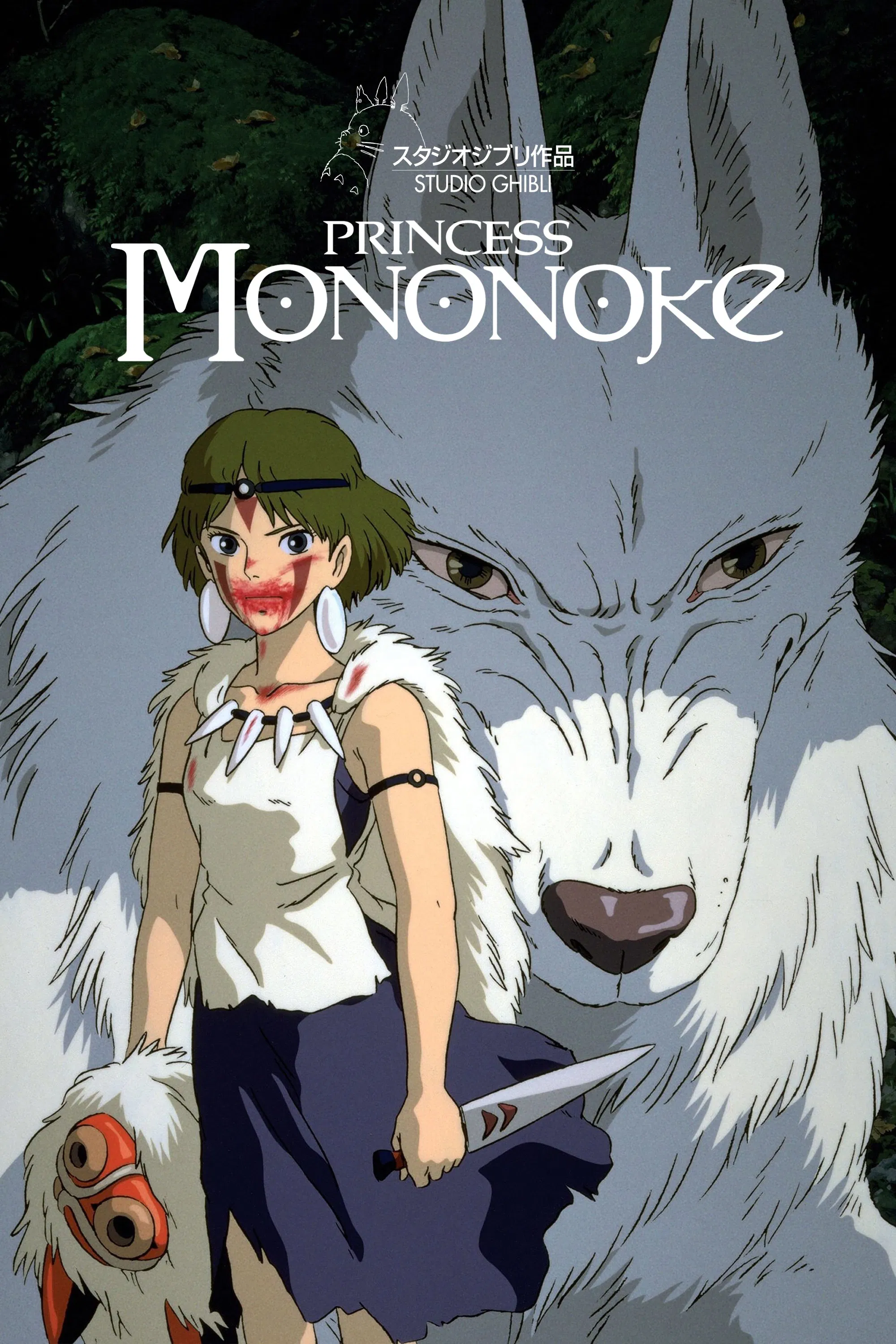
Princess Mononoke
Miyazaki's most ambitious film yet: a violent, morally tangled fight between an iron town, the gods of the forest and a young prince carrying a curse. Some shots use digital tools for the first time at the studio. It becomes the highest grossing film in Japanese history, until Titanic arrives a few months later. Miyazaki announces he is retiring. It will not be the last time.
-
The world takes notice
1999 to 2008
-
July 1999Film
My Neighbors the Yamadas
Takahata turns a newspaper comic strip into a string of sketches about an ordinary, slightly chaotic family, drawn like watercolors. It is the first Ghibli film made entirely on computers, and one of the most laborious, all to look as light as a doodle. The box office disappoints. Takahata will not direct again for fourteen years.
-
July 2001Film
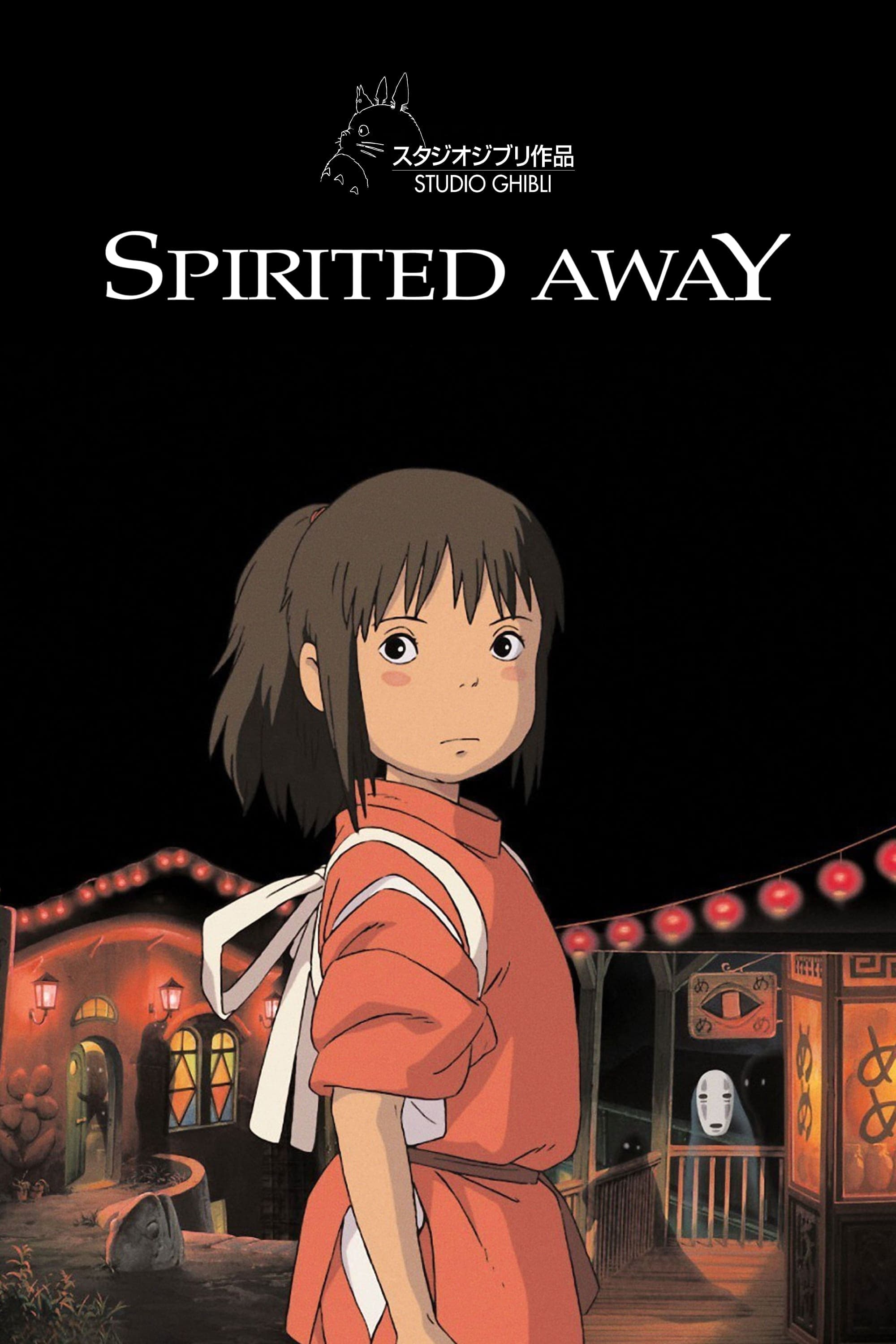
Spirited Away
The story of Chihiro, a sulky ten-year-old who has to work in a bathhouse for spirits to save her parents, opens in Japan and stays in theaters for months. It becomes the highest grossing film in the country's history, a record it holds for almost twenty years. It wins the Golden Bear in Berlin and, in 2003, the Oscar for Best Animated Feature. Miyazaki skips the ceremony, unwilling to visit a country that was at war in Iraq.
-
October 2001
The Ghibli Museum opens
The museum opens in Mitaka, built from Miyazaki's sketches, with no fixed route, spiral staircases, a giant Catbus for children to climb and a robot soldier from Castle in the Sky standing in the garden on the roof. Its motto invites visitors to get lost, together.
-
July 2002Film
The Cat Returns
Directed by Hiroyuki Morita, it brings back the Baron from Whisper of the Heart in a lighter adventure about a schoolgirl who saves a cat and gets dragged into its kingdom. It began as a small commission for a theme park and grew into a feature.
-
November 2004Film
Howl's Moving Castle
Based on Diana Wynne Jones's novel, it lands in Miyazaki's hands after Mamoru Hosoda leaves the project. Made while the Iraq war was on the news every night, it turns a book about a curse into a film about the absurdity of war, and about an eighteen-year-old girl who seems happier as an old woman.
-
2005
Independence and a Golden Lion
Ghibli becomes independent from Tokuma Shoten, with Suzuki as its president. In September, Miyazaki receives the Golden Lion for lifetime achievement at the Venice Film Festival.
-
July 2006Film
Tales from Earthsea
Goro Miyazaki, Hayao's son, a landscape designer who had been running the Ghibli Museum, directs his first film, based on Ursula K. Le Guin's books. His father is against the idea, and the two barely speak during production. The film divides audiences, and Le Guin herself makes it clear she was not won over.
-
July 2008Film
Ponyo
A fish girl who wants to become human, drawn almost entirely by hand as a deliberate answer to the digital age. The waves alone look like living creatures. The film needed more than 170,000 drawings, a record for the studio.
-
Passing the torch
2010 to 2016
-
July 2010Film
Arrietty
Hiromasa Yonebayashi, an animator who grew up inside the studio, directs his first film, from Mary Norton's The Borrowers, with a script by Miyazaki. A family of tiny people living under the floor of a country house, where a drop of water is heavy and a kitchen is a mountain range.
-
July 2011Film
From Up on Poppy Hill
Goro Miyazaki's second film, a story about students in 1963 Yokohama trying to save their old clubhouse from demolition. The final months of production collide with the earthquake and tsunami of March 11, and the team keeps working through rolling blackouts to finish on time.
-
July 2013Film
The Wind Rises
Miyazaki's most personal film, a portrait of Jiro Horikoshi, the engineer who designed the Zero fighter, the same kind of plane his father's company once made parts for. It asks whether you can love something beautiful knowing it will be used to kill. Jiro is voiced by Hideaki Anno, creator of Evangelion and once a young animator on Nausicaä. In September, Miyazaki announces, once again, that he is retiring.
-
November 2013Film
The Tale of the Princess Kaguya
Takahata's farewell, eight years in the making, drawn in charcoal and watercolor lines that look unfinished on purpose. It retells Japan's oldest folktale, about a girl from the moon who wants, above everything else, to live. It is nominated for the Oscar.
-
2014Film
When Marnie Was There, and a pause
Yonebayashi's second film, about a lonely girl and a mysterious friend in an old mansion by a marsh. Shortly after, Suzuki announces a pause in production and the animation department is dissolved. For the first time in almost thirty years, nobody is drawing a feature at Ghibli. In November, Miyazaki receives an honorary Oscar.
-
2016Film
The Red Turtle
A co-production with the Dutch director Michaël Dudok de Wit: a film without dialogue about a man shipwrecked on an island. It wins a special prize at Cannes and shows that the studio, even on pause, still knows how to open its doors to other voices.
-
A new chapter
2017 to today
-
2017
Miyazaki goes back to work
At 76, Miyazaki starts a new feature, and Ghibli begins hiring animators again. According to Suzuki, he is making it for his grandson, as a way of telling him that his grandfather is moving on to the next world, but leaving this film behind.
-
April 2018
Goodbye, Paku-san
Isao Takahata dies on April 5, at 82. At the farewell held at the Ghibli Museum, Miyazaki, his voice breaking, remembers the first time he saw him: a rainy evening in 1963, at a bus stop, a young man with a gentle, intelligent face walking toward him. He calls him Paku-san, the nickname from their Toei years.
-
December 2020Film
Earwig and the Witch
Goro Miyazaki directs Ghibli's first fully 3D film, based on the last book by Diana Wynne Jones, author of Howl's Moving Castle. It premieres on Japanese television at the end of the year, in the middle of the pandemic.
-
November 2022
Ghibli Park opens
In Aichi Prefecture, Ghibli Park opens inside the grounds of the 2005 World Expo. There are no rides. Instead, visitors walk into the places from the films, like Satsuki and Mei's house and the hilltop antique shop from Whisper of the Heart, built at full size.
-
July 2023Film
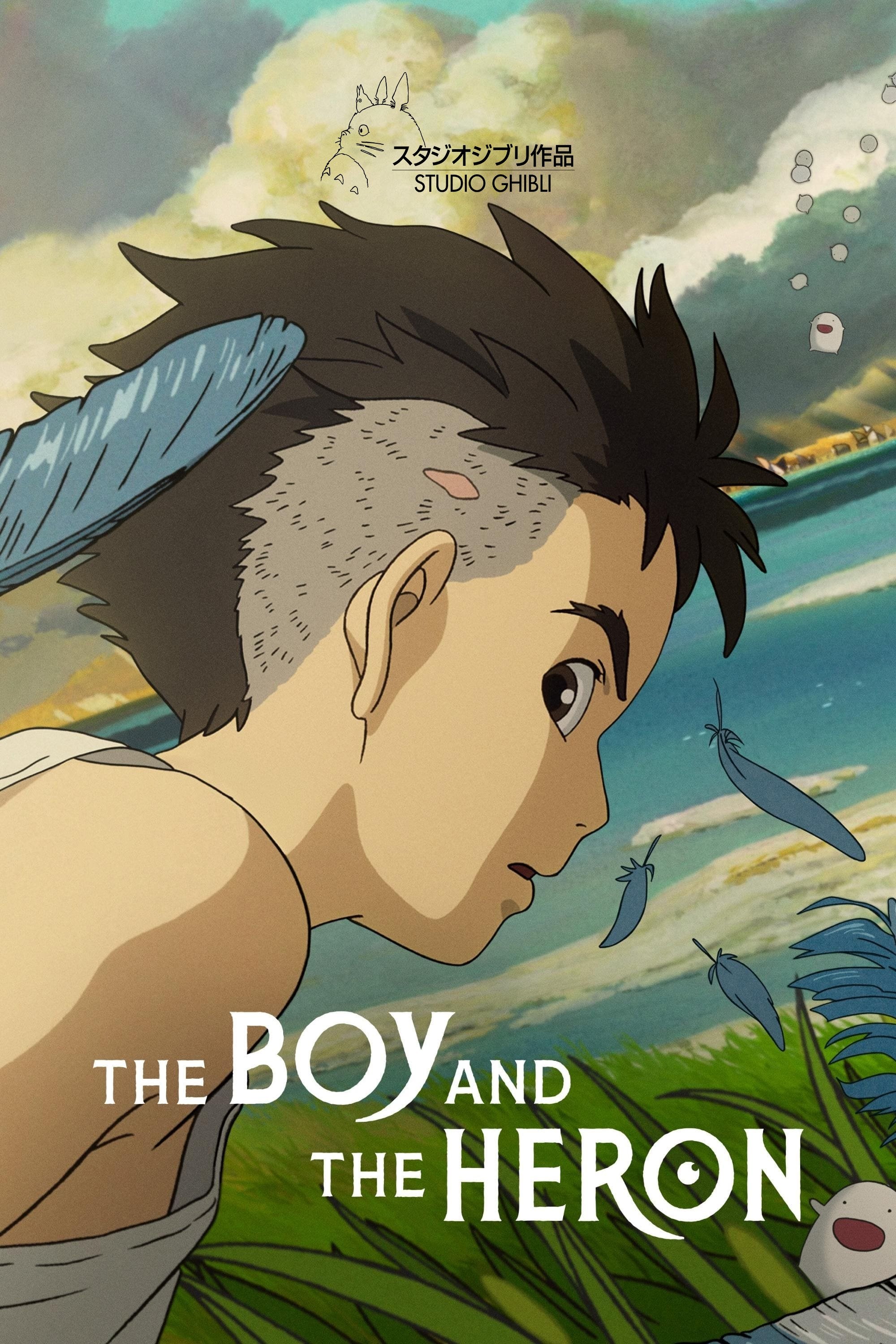
The Boy and the Heron
The film opens with no trailer, no stills and a single poster, and audiences walk in knowing almost nothing. A boy who has lost his mother in the war follows a talking heron into another world. In March 2024 it wins the Oscar for Best Animated Feature. Months earlier, Nippon Television had become Ghibli's parent company, securing the studio's future beyond its founders.
-
May 2024
An honorary Palme d'Or
At Cannes, Studio Ghibli receives an honorary Palme d'Or, the first ever given to a studio rather than a person. Almost forty years after a rented floor in Kichijoji, the wind they wanted to blow through animation has reached the whole world.